User experience (UX) is no longer just about aesthetics or usability—it’s about connection. In an era where users are bombarded with endless digital experiences, brands must go beyond functionality to create emotional engagement. One of the most effective ways to achieve this is through storytelling. A well-crafted narrative draws users in, making interactions memorable and intuitive.
But how exactly does storytelling enhance UX, and how can designers integrate it effectively? This blog explores the intersection of storytelling and UX, offering practical insights into how narratives shape digital experiences.

The Psychology Behind Storytelling in UX
Humans are wired for stories. From ancient myths to modern marketing, storytelling has been a cornerstone of communication. Cognitive research shows that stories activate multiple areas of the brain, triggering emotional responses and improving information retention.
In UX, storytelling fosters empathy, making users feel understood. When a digital product tells a compelling story, users are more likely to engage, remember, and develop loyalty toward the brand. Unlike raw data or flat designs, narratives create immersive journeys that users naturally gravitate toward.
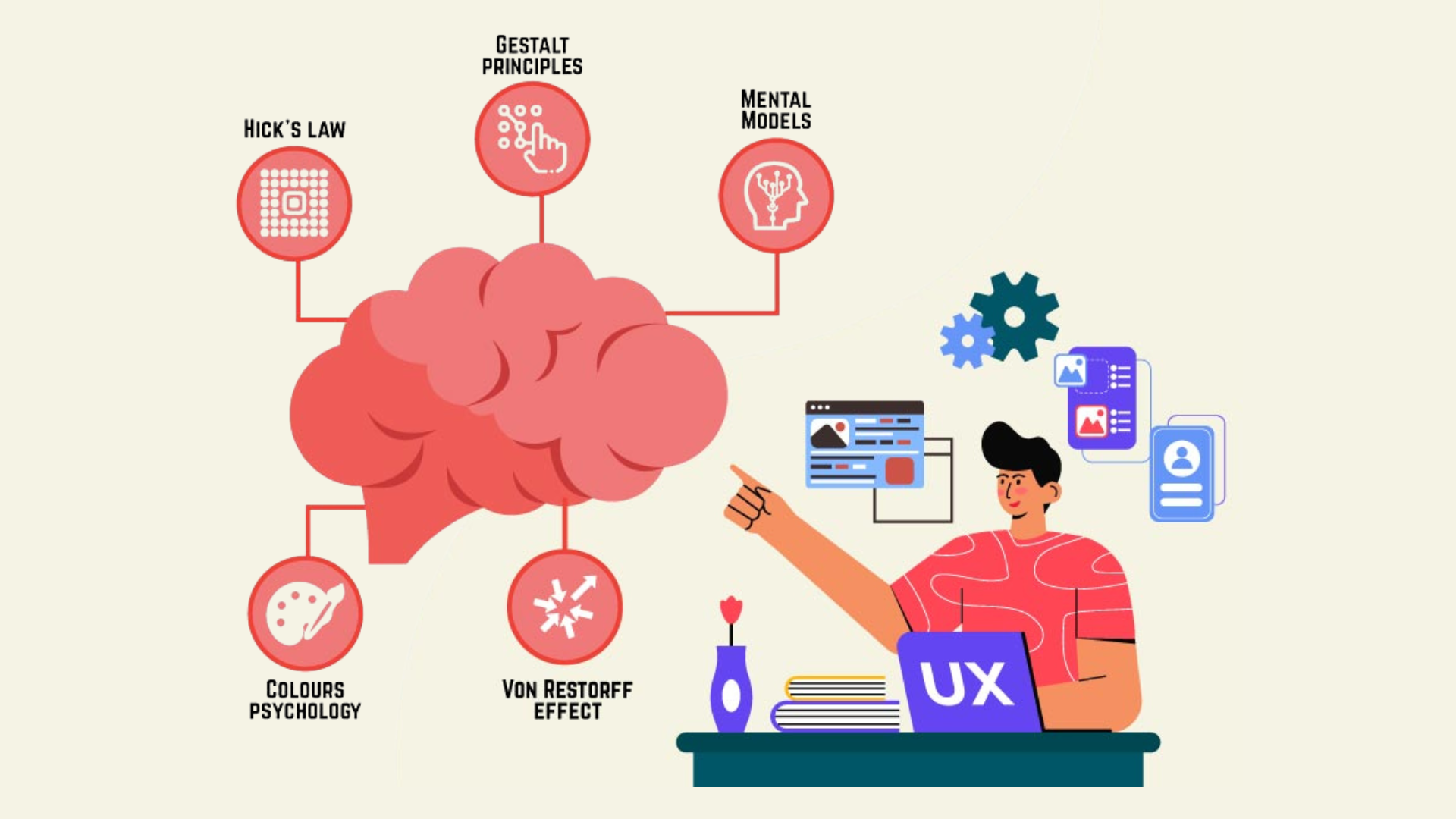
How Storytelling Enhances UX Engagement
1. Establishes Emotional Connections
A well-told story taps into emotions, making a brand or product feel more relatable. Consider Apple’s approach—rather than simply listing specifications, their marketing revolves around how their products fit into people’s lives. This same principle applies to UX design. Instead of a generic interface, integrating a human-centered narrative makes users feel personally connected to the experience.
2. Guides Users Through Intuitive Journeys
Stories help organize information in a way that feels natural. Instead of overwhelming users with data, a structured narrative gently guides them from one step to another. This is particularly useful in onboarding processes, where a well-designed story helps new users understand features seamlessly.
Take Duolingo, for example. The language-learning app turns learning into an engaging journey by integrating progress-based storytelling. Users aren’t just learning words—they are on an adventure toward fluency.
3. Enhances Brand Identity and Recall
Storytelling helps brands stand out in a saturated digital world. A strong narrative strengthens brand identity and makes interactions more memorable. Airbnb, for instance, doesn’t just offer lodging—it tells the story of “belonging anywhere,” making the platform feel more personal and inviting.
4. Encourages User Participation
Interactive storytelling fosters engagement by making users active participants. Gamification elements, such as progress bars, rewards, or interactive choices, make digital experiences feel more like a journey rather than a task. This approach is evident in fitness apps like Nike Run Club, where users embark on a running journey, track progress, and receive motivational stories along the way.
5. Simplifies Complex Information
A complex product or service can become daunting if presented as raw data. However, when framed as a story, even the most intricate information becomes digestible. For instance, Google’s privacy updates are often introduced through animated storytelling, making legal jargon accessible and engaging for users.
Implementing Storytelling in UX Design
While the concept of storytelling in UX sounds appealing, execution is key. Here are practical ways to integrate narratives into digital experiences.
1. Create a User Persona-Based Narrative
Understanding the target audience is crucial. Who are your users? What are their challenges, motivations, and goals? Crafting a user-centered story based on personas ensures that your design resonates deeply.
For example, a budgeting app targeting young professionals might build a UX journey around a character struggling with finances but eventually gaining control through the app’s features.
2. Use Visual Storytelling
Visual elements play a critical role in storytelling. Color schemes, typography, and imagery should align with the narrative. Interactive infographics, animations, and video storytelling can further enhance engagement.
Dropbox, for instance, uses playful illustrations to simplify cloud storage concepts, making the experience feel more approachable.
3. Structure the User Journey Like a Story
A well-structured story has a beginning, middle, and end. Apply the same framework to UX design:
- Beginning: Introduce the problem or need.
- Middle: Guide users through the experience with clear, logical steps.
- End: Offer a resolution, such as completing a purchase, signing up, or achieving a goal.
This approach ensures a seamless, engaging journey rather than a disjointed series of interactions.
4. Leverage Microcopy to Reinforce Narrative
Microcopy—small yet impactful text within digital experiences—can enhance storytelling. Friendly onboarding messages, contextual tooltips, and engaging error messages make users feel like they are part of a guided experience rather than just navigating software.
Slack, for example, infuses personality into its microcopy, making even error messages feel less frustrating.
5. Implement Interactive and Gamified Elements
Adding interactive storytelling through quizzes, challenges, or user-driven choices can significantly boost engagement. Progress indicators, achievements, or milestone-based rewards encourage users to stay invested in their journey.
A great example is Headspace, the meditation app, which structures sessions like a guided self-improvement journey, helping users feel a sense of accomplishment.
Measuring the Impact of Storytelling in UX
To ensure storytelling enhances UX effectively, track key performance indicators (KPIs):
- User Engagement: Time spent on site or app, interaction rates.
- Conversion Rates: How storytelling impacts sign-ups, purchases, or actions.
- Retention Rates: Whether users return after their first experience.
- Feedback & Surveys: Direct user responses to storytelling elements.
A/B testing different narrative approaches can also help refine storytelling strategies based on real user behavior.

Conclusion
Storytelling in UX is more than just a trend—it’s a powerful tool that elevates user engagement, simplifies complex interactions, and strengthens brand identity. By crafting meaningful narratives, designers can create experiences that resonate deeply, leaving a lasting impact on users.
As the digital landscape evolves, the brands and products that succeed will be those that don’t just inform or function efficiently—but those that tell a story worth remembering.
Level up your UI/UX skills! Learn to create stunning interfaces and seamless user experiences with our Advanced UI/UX Design Course. Boost your career and design products that stand out.
Enroll today at Kaarwan for more insights!
FAQs
1. How does storytelling improve UX design?
Storytelling enhances UX by making digital experiences more engaging, intuitive, and memorable. It helps users connect emotionally, simplifies complex information, and guides them seamlessly through interactions.
2. What are some examples of storytelling in UX?
Brands like Airbnb, Duolingo, and Headspace use storytelling to make their platforms more engaging. They integrate narratives in onboarding, gamification, and microcopy to create immersive experiences.
3. Can storytelling work for all types of digital products?
Yes, storytelling can be applied across various digital products, from e-commerce to SaaS platforms. The key is to align the narrative with user needs and brand identity.
4. How can I measure the impact of storytelling in UX?
Metrics such as user engagement, conversion rates, and retention can help measure storytelling effectiveness. A/B testing different storytelling elements can also provide valuable insights.
5. What are some practical ways to integrate storytelling into UI/UX?
Using user personas, visual storytelling, structured user journeys, engaging microcopy, and interactive elements are all effective ways to incorporate storytelling into UX design.